
I’ll be the first to admit it: I still get the shakes before a show. Even after all these years as the director of Great Lakes Dance Academy, that moment right before the curtain rises at The Imperial Theatre makes my stomach do a complete backflip. But honestly? It’s not just the stage. I still get nervous when we launch a new program, or when I’m asking families to register for a new season, or when we try something totally different at the studio. Those old insecurities still pop up.
But here’s the difference: I have the resilience to push through those nerves. I can handle the "what ifs" and even the potential for rejection because of the risks I took when I was a young dancer. I learned back then that I could survive a mistake or a "no," and that’s exactly what I want our students to understand. We aren’t just teaching them to dance; we’re giving them the skills to handle adult life with their heads held high.
And honestly, that’s why this matters so much to me as a studio owner and as someone who works with families every day. As parents, we want to protect our kids. We want to smooth out the road ahead of them, clear away the hurdles, and make sure they never have to feel that crushing weight of "What if I mess up?"
But is that actually preparing them for real life?
The blunt answer? No. It’s not.
Life is going to throw hurdles at them anyway. Tough exams. Awkward social situations. First jobs. Big disappointments. If we don’t give them the tools to handle pressure now, in a safe and supportive environment, when are they going to learn?
This is why performing arts education, specifically dance here at GLDA, is so much more than just learning how to point a toe or hit a pirouette. It’s a character-building machine.
The Professional Stage: A Beautiful Pressure Cooker
Every year, our students step onto the professional stage at The Imperial Theatre for our June Recital and our annual Nutcracker production.
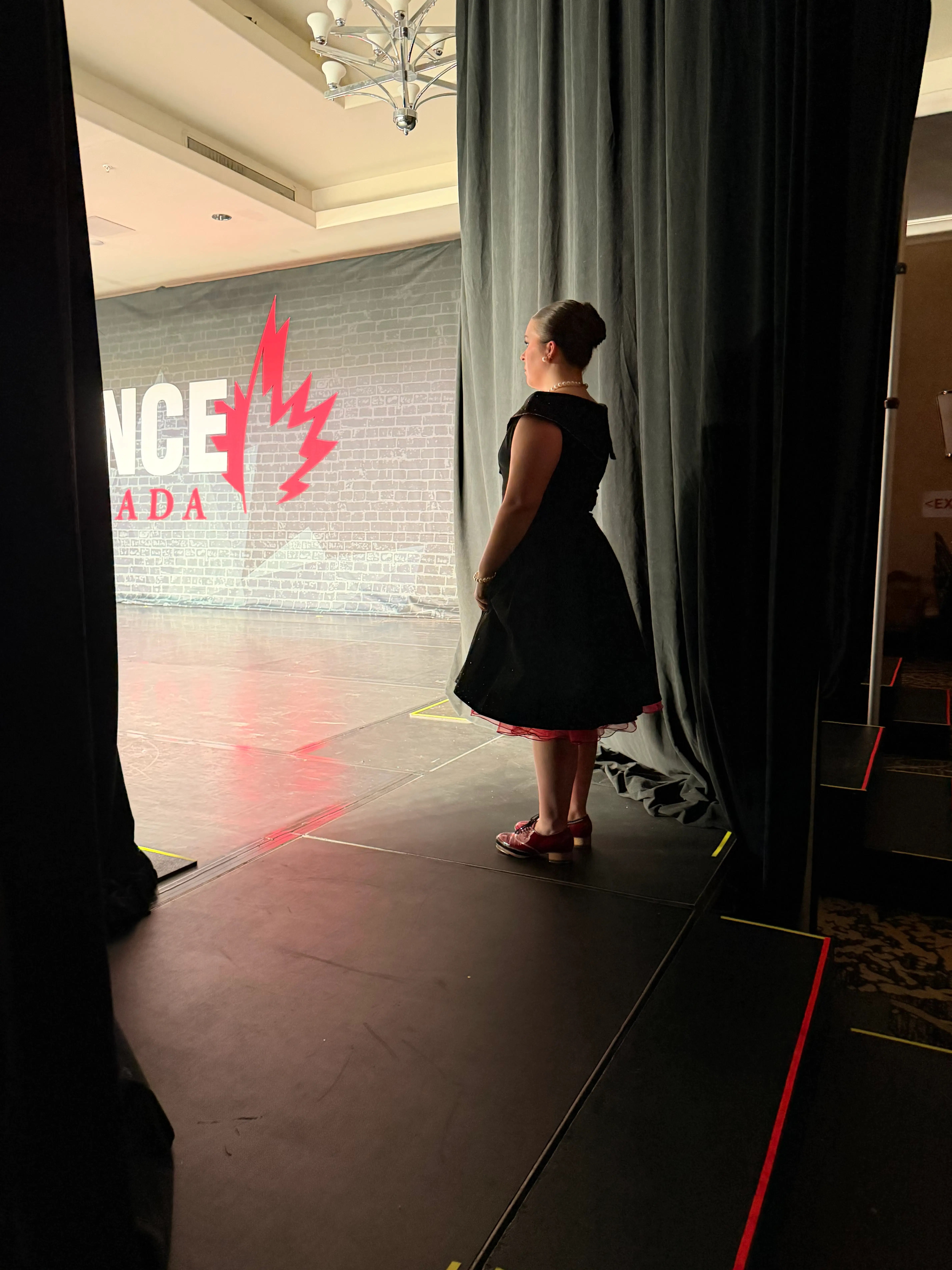
If you’ve ever stood backstage in a darkened wing, you know the vibe. It’s quiet, it’s intense, and the air is thick with anticipation. For a child, that moment is huge. It’s probably the most "real world" pressure they’ve ever felt.
Does it feel a bit scary? Yes.
Is it worth it? Absolutely.
When a dancer walks out under those bright lights, they are learning that they can face their fears and come out the other side. They learn that even if their heart is pounding, their feet know what to do. They learn that "the show must go on," even if a hairpiece falls out or they miss a count.
That resilience, that ability to keep going when things aren't perfect, is a superpower. It’s the difference between a kid who gives up when a math problem gets hard and a kid who says, "Okay, let me try that again from a different angle."
Learning to Fall (And Getting Back Up)
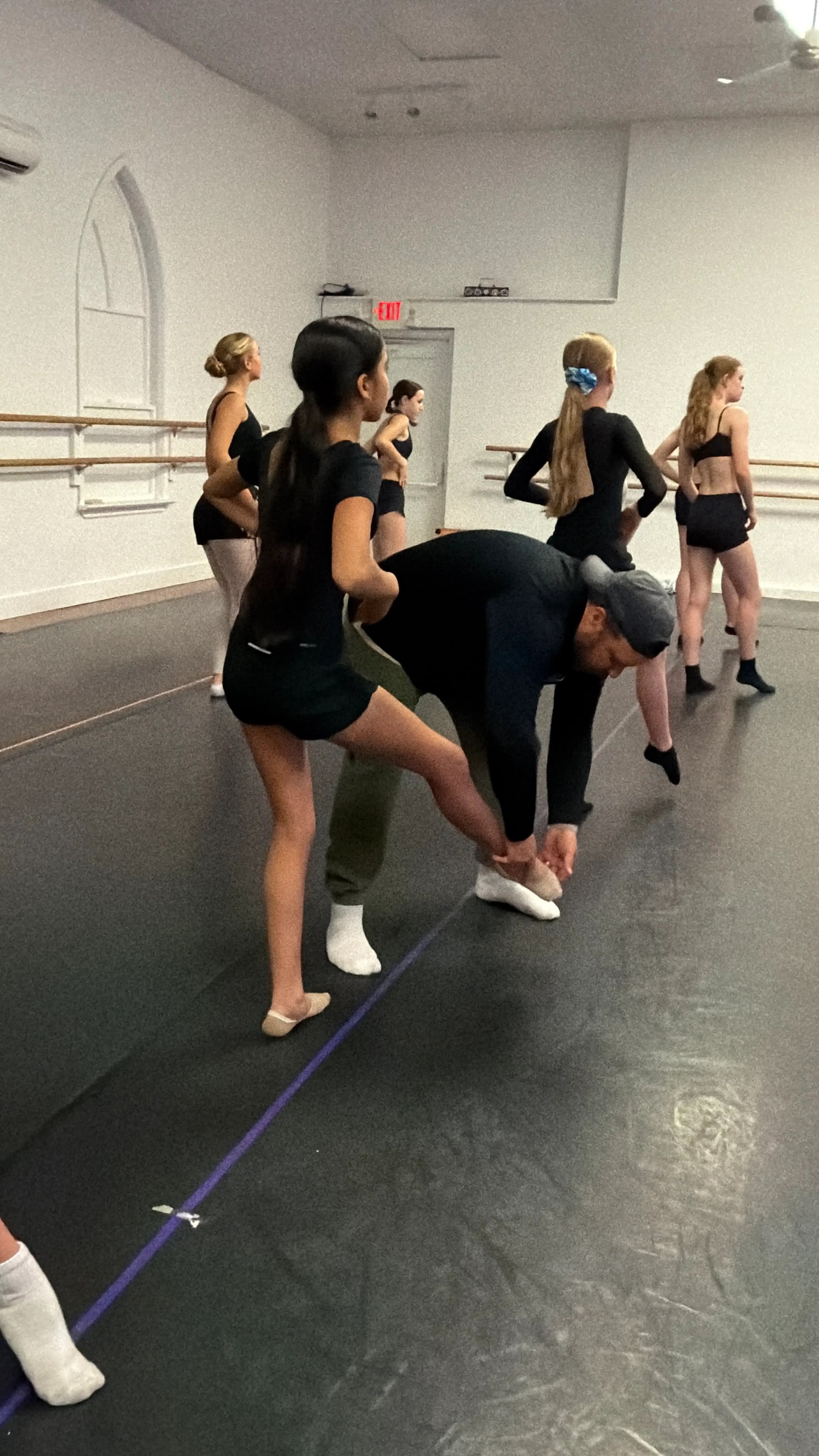
In our Recreational Dance program, we see it all the time. A little dancer tries a new jump, loses their balance, and ends up on the floor.
In that split second, you can see them decide: Do I cry? Do I stop? Or do I get back up?
Because we’ve fostered a community where "failing" is just another word for "learning," they almost always get back up. We don't sugarcoat it. Dance is hard. It takes discipline. It takes falling down a hundred times before you get it right.
And that’s the pragmatic reality check we need to give our kids: talent is great, but grit is better.
By the time our students move into our Intensive Study (IS) program, they’ve developed a "growth mindset" without even realizing it. They understand that a correction from a teacher isn't a personal attack; it’s a gift. It’s the information they need to get better.
Imagine if every teenager handled feedback that way? Imagine the resilience they’d have in their first job!
The Power of the "We"
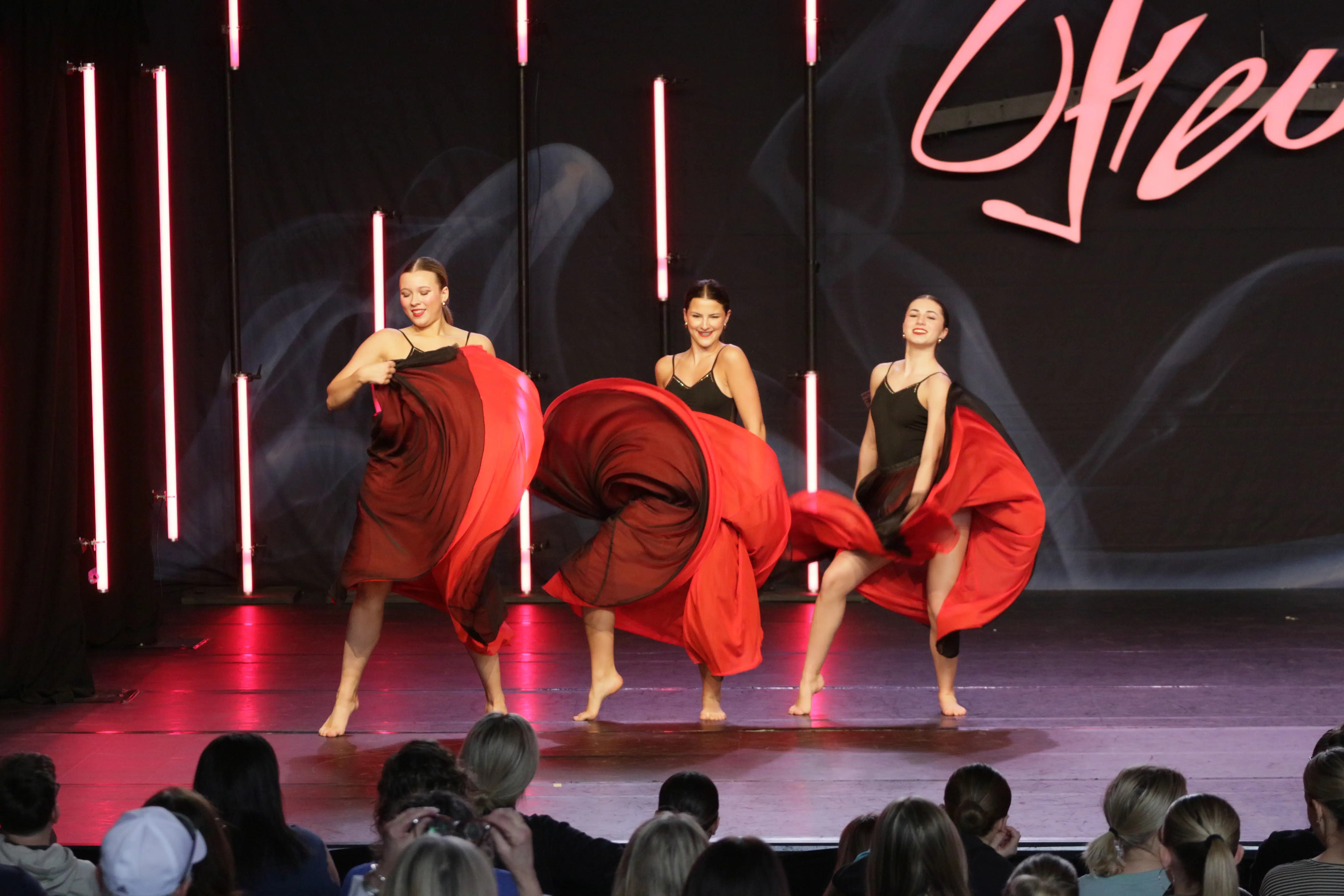
One of my favorite things about GLDA is our sense of community. Dance is often seen as an individual sport, but at the competitive level or in our Dance Company, it is the ultimate team effort.
When you’re part of an ensemble, your resilience isn’t just about you. It’s about the person next to you. If your teammate forgets their spot, you don’t let them drown: you help guide them back.
We talk a lot about "character development" at the academy. It’s not just a buzzword for us. It’s about teaching kids to be the kind of people who support each other. It’s about being the veteran dancer who helps a "Mini" with their stage makeup, or the Intensive Study student who cheers the loudest for the Recreational kids.
In a world that can feel increasingly isolated and competitive in all the wrong ways, we are building a "village." We use our GLDA App to keep our families connected, but the real magic happens in the hallways between classes, where friendships are forged through shared hard work.
A Reality Check: It’s Not Always Easy
I want to be honest with you. There will be days when your child doesn’t want to go to class. There will be days when they’re frustrated because they didn’t get the part they wanted in The Nutcracker. There will be days when they’re tired and just want to stay home and scroll on their phones.
And that is exactly when they need dance the most.
Character isn’t built on the easy days. It’s built on the days when you show up even when you don’t feel like it. It’s built on the days when you have to work through the frustration of a move that just won't "click."
We don't just teach dance steps; we teach life skills. We teach them that they are capable of doing hard things. We teach them that their voice: whether it’s through their feet, their expression, or their presence: matters.
Why This Matters Long-Term
So, why does this matter? Most of our students won't go on to be professional ballerinas or Broadway stars (though some certainly do!).
It matters because the girl who learned to stand tall on the stage of The Imperial Theatre is going to be the woman who stands tall in a boardroom. The boy who learned to master a complex tap rhythm is going to be the man who knows how to break down a complex project into manageable steps.
They are learning that they can handle challenges. They are learning that they are resilient.
And more importantly, they are learning that they have a community at GLDA that has their back, no matter what.
If you’re looking for a place where your child can grow not just as a dancer, but as a person, we’d love to have you. Whether you’re interested in a fun summer camp or looking to dive into our Class Schedule for the fall, there’s a spot for you here.
Let’s help them find their rhythm: and their strength.
Warmly,
Tia