
Is it already that time of year again? I swear, I was just packing away the winter coats, and now I’m looking at a calendar full of registration deadlines and "back-to-school" prep. If you’re a dance parent in Sarnia, you know exactly what I’m talking about. The "Fall Schedule Stress" is a real thing.
You’re sitting at the kitchen table, coffee in hand (or maybe something stronger, no judgment here), looking at the class schedule and wondering: Which path is right for my kid?
Should they stick with the Recreational Dance program where they can just have a blast with their friends? Or is it time to look at Intensive Study (IS)? Does "intensive" mean they’re going to be living at the studio 24/7? (Spoiler: Not quite, but we do love seeing them here!)
Choosing between these two paths can feel like a high-stakes decision. You want your child to be challenged, but you don't want them to burn out. You want them to have fun, but you also want them to be challenged and pushed.
Let’s sit down and talk through it. I’ve been on both sides of this: as a dancer who lived for the studio and as a teacher who watches these kids grow up. Here is the honest, no-jargon breakdown of how to find the right fit for your dancer at GLDA.
The Joy of Discovery: Recreational Dance Classes

Let’s start with the heart of our studio: Recreational Dance.
Whenever I hear the word "recreational," I think of pure, unadulterated joy. These are the classes where kids fall in love with movement for the first time. If you’re looking for dance classes in Sarnia that prioritize confidence, coordination, and community, this is where you land.
Who is it for?
It’s for the child who dances in the grocery store aisles. It’s for the teen who wants to stay active but also has a heavy homework load or plays soccer on the weekends. It’s for the family that wants the benefits of dance: the posture, the discipline, the "I can do this!" attitude: without the pressure of a pre-professional track.
In our recreational program, the focus is on exploration. Dancers get to try different styles, learn the "building blocks" of technique, and most importantly, they get to be part of a team.
The Pragmatic Reality Check:
Does recreational mean "easy"? Not necessarily. We still have high standards for our teachers and our students. But the commitment is different. Usually, it’s one or two classes a week. There’s more flexibility if you need to miss a class for a school trip. It’s about fitting dance into a well-rounded life, rather than building a life around dance.
Leveling Up: The Intensive Study (IS) Path
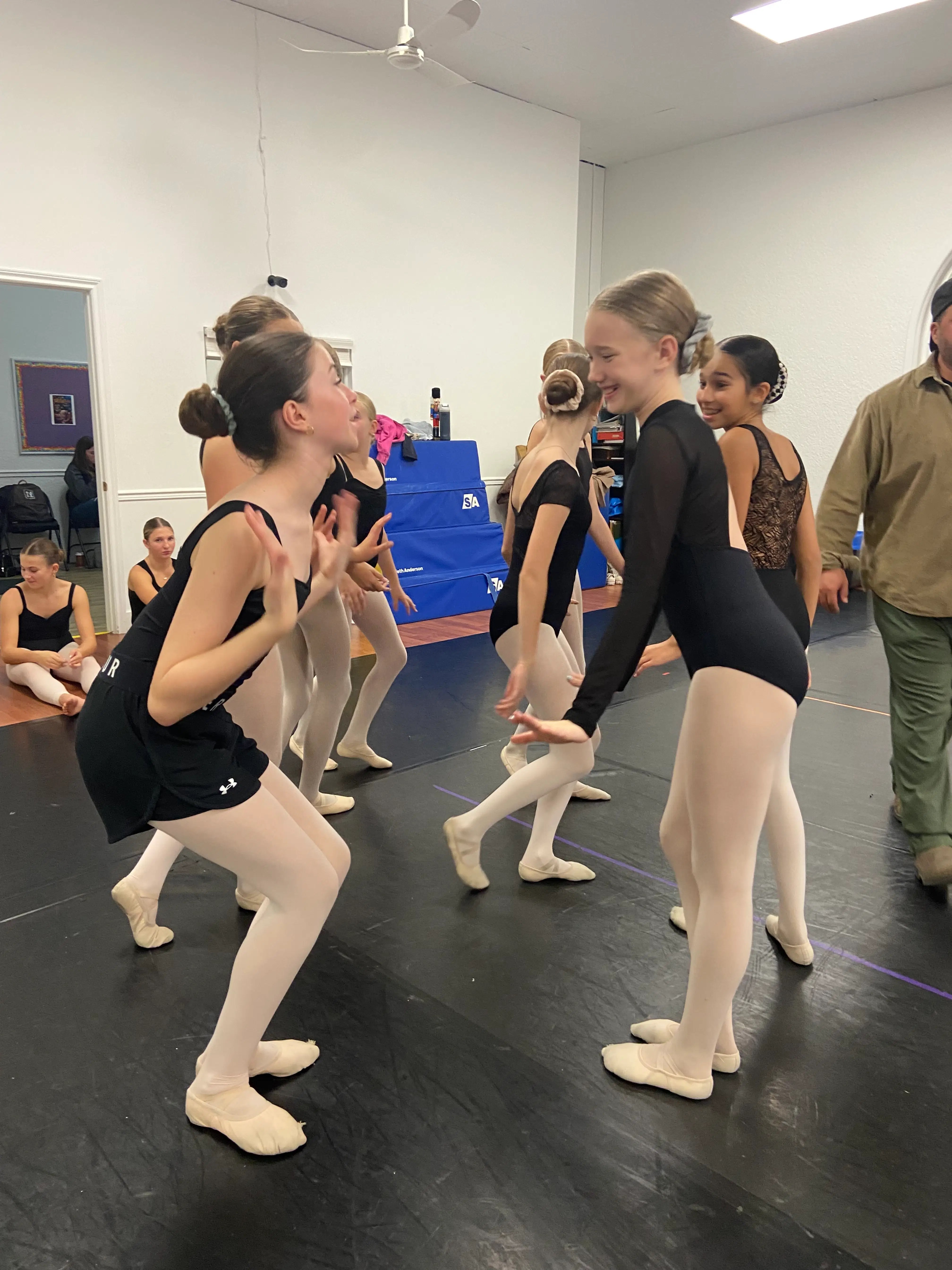
Then, there’s Intensive Study.
I’ll be vulnerable here: moving into an intensive program is a big jump. I remember when I made that shift. Suddenly, it wasn't just about showing up; it was about how I showed up. It was about the way I held my chin, the strength in my ankles, and the focus in my eyes.
If you’re looking for intensive dance training in the Sarnia area, this program is designed to take a dancer’s natural passion and refine it into professional-level skill.
Who is it for?
It’s for the dancer who is constantly asking for "more." More classes, more corrections, more time in the studio. If your child comes home from their recreational class and spends the rest of the night practicing their pirouettes in the kitchen, they might be ready for IS.
The IS Experience:
- Technical Rigor: We dive deep. We’re talking about separate classes for ballet, jazz, contemporary, and more. No more "combo" classes.
- The "Why": We don't just teach the steps; we teach the anatomy and the history.
- Commitment: This is where the "intensive" part comes in. Dancers are expected to be at every class. They are expected to work on their conditioning at home.
- The Reward: There is a specific kind of confidence that comes from mastering something truly difficult. When an IS dancer nails a combination they’ve been working on for six months, the look on their face is worth every extra hour of rehearsal.
An Important Clarification:
This part matters, because I know families can hear "Intensive Study" and immediately assume it means competition. It doesn’t. A dancer can absolutely be in IS because they want stronger technique, more challenge, and a more serious training environment without being part of the competitive Company. For some kids, that’s the sweet spot. They want to be pushed. They want the rigor. They want to grow. But they don’t necessarily want the competition side of dance, and that is completely okay.
How to Choose: The "Parent Guilt" Filter

I talk to parents all the time who feel guilty. They think, "If I don't put them in the Intensive program, am I holding them back?" or "If I put them in IS, am I taking away their childhood?"
Deep breaths. You’re doing a great job. Here are three questions to help you cut through the noise:
1. What does your dancer want?
This sounds obvious, right? But sometimes we want the "best" for them so much that we forget to ask what "best" looks like in their head. Sit them down. Ask them: "Do you want to dance for fun once a week, or do you want to work really hard to become the best dancer you can be?" Be prepared for a blunt answer. Kids are usually pretty honest about their "want-to" levels.
2. What does your family schedule actually look like?
Let’s be real. If you have three other kids in travel hockey and you’re working full-time, a 10-hour-a-week dance commitment might break the family. And that’s okay! Dance schools in Sarnia should serve your family, not the other way around. Our recreational classes offer that professional quality without the extreme time sink.
3. What are the long-term goals?
If your child dreams of performing at The Imperial Theatre in a lead role in The Nutcracker or potentially dancing in college, the IS path is the bridge to get there. It’s the foundation for our Dance Company. If the goal is simply to have a healthy outlet and great memories, Recreational is a fantastic, complete experience.
The Progression Path: It’s Not a One-Way Street
One of the things I love most about GLDA is that we aren't a "one size fits all" kind of place. We have a clear progression path.
Many of our most dedicated Company dancers started in a 45 minute class when they were four years old. They grew, they improved, and when they were ready, they moved into Intensive Study.
But guess what? It works the other way, too. Sometimes a dancer spends a year in IS and realizes they miss having their Friday nights free to go to the high school football games. Moving back to a recreational schedule isn't a "failure": it’s a choice to balance their life. We support that 100%.
Making it Easier with the GLDA App
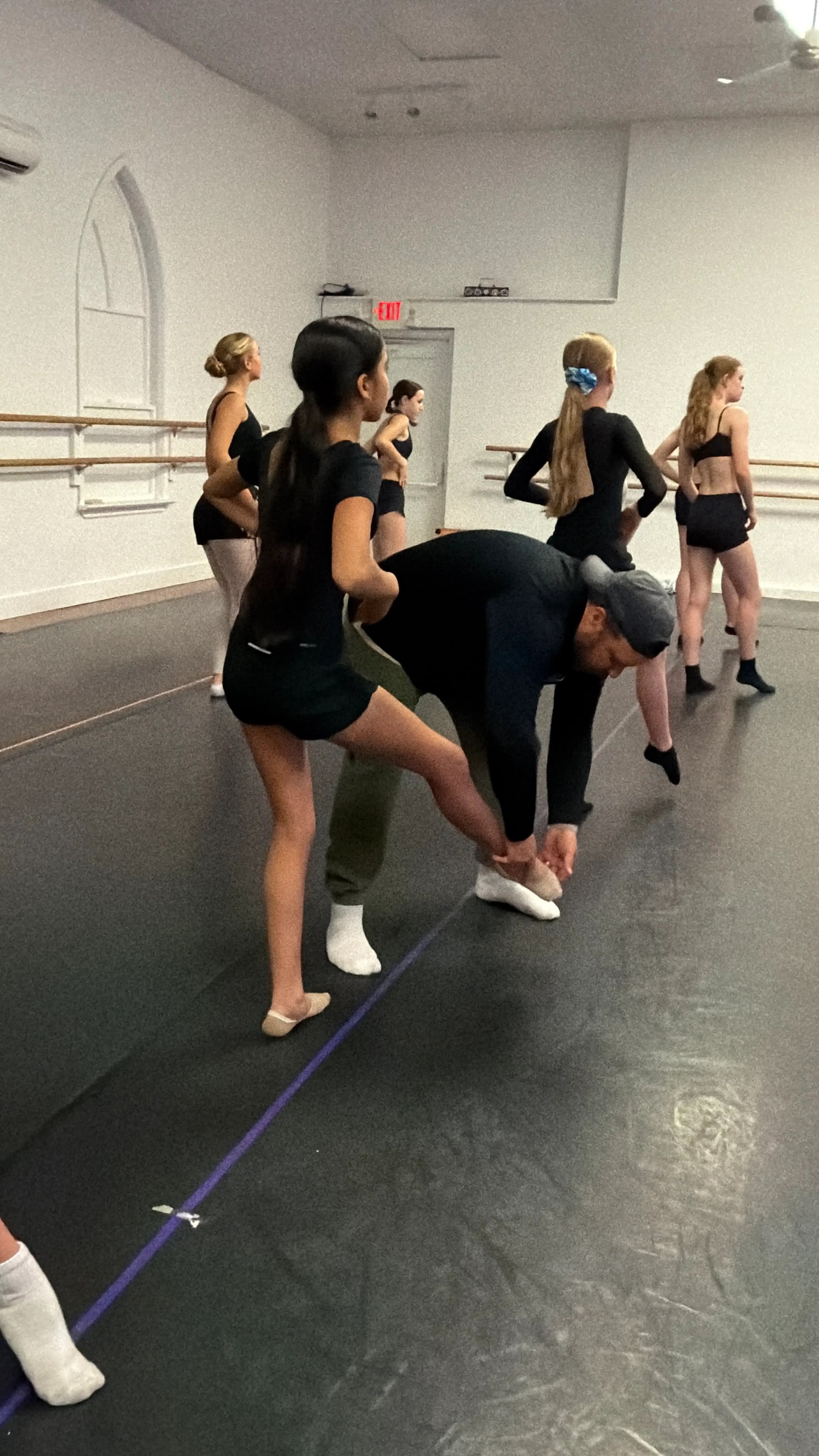
Whatever path you choose, we know life is busy. That’s why we’ve worked so hard on our mobile app. Whether you’re managing one recreational class or five IS classes, the app keeps everything in one place: schedules, communications, and even videos for practicing at home. It’s our way of taking a little bit of that "Fall Schedule Stress" off your plate.
Final Thoughts from the Barre

At the end of the day, whether your child is more into a tutu or hip hop sweats, our mission remains the same: we want them to leave our studio feeling better than when they walked in.
We want them to learn that hard work pays off. We want them to know they are part of a community that cares about their character as much as their turnout.
So, take a look at the programs we offer. Talk to your dancer. And if you’re still stuck? Send us an email or come by the desk. We love helping families find their "just right" spot.
We can't wait to see you back in the studio this fall. It’s going to be a beautiful season.
Warmly,
Tia