
Parents often ask me the same question when they walk into our studio for the first time: "Is my child actually going to learn anything, or are they just running around in a tutu?" It’s a valid concern. You’re investing time and money, and you want to know that these early years aren't just "playtime" with a high price tag.
But here’s the thing. That first dance teacher isn't just teaching a plié. They are the gateway to an entire world of self-expression, discipline, and confidence. For a three-year-old, that teacher is likely one of the very first authority figures they encounter outside of their parents. That relationship is sacred.
The Architect of the First Impression
Your first dance teacher is the person who decides if "dance" means "hard work that hurts" or "a place where I am safe to try and fail." At GLDA, we take this responsibility incredibly seriously. We aren't just teaching steps; we are building the building blocks for confidence.
Does a toddler need a teacher with a perfect Russian ballet pedigree? Not necessarily. They need someone who can handle a mid-class meltdown over a lost hair clip while simultaneously explaining the difference between a hop and a leap.
Patience is the Real Technique
I’ve spent years watching teachers in the studio. The best ones aren't the ones with the loudest voices or the most awards. They are the ones with the most patience.
Is it easy to keep ten preschoolers focused on a single line for more than thirty seconds? Absolutely not. It’s exhausting. It’s a specialized skill that requires more emotional intelligence than most corporate leadership roles.
But why does it matter?
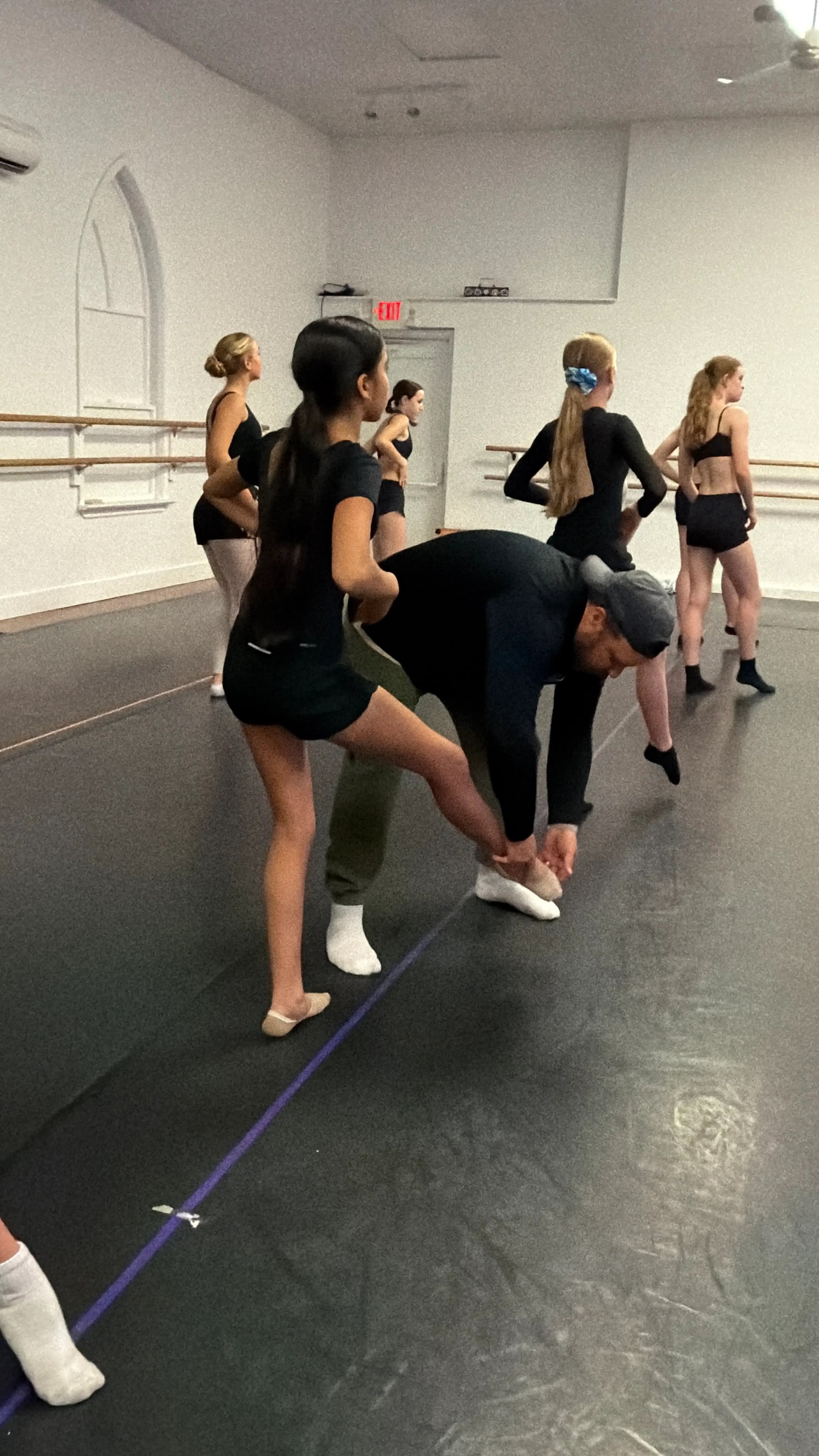
Because when a teacher waits patiently for a child to find their balance, they are telling that child: You are worth the wait. When they gently correct a foot position for the hundredth time with a smile, they are saying: It’s okay to not be perfect yet.
A Pragmatic Reality Check
Let’s be clear about something: dance isn't always magical. Sometimes the studio is hot. Sometimes the tights are itchy. Sometimes your child will cry at the door because they’d rather be at home watching cartoons.
We don't sugarcoat the reality of training here. Even at the recreational level, we ask for focus. We ask for effort. The "magic" isn't in a fairy wand; it's in the grit that develops when a teacher encourages a student to try one more time.

What Makes a Great First Teacher?
When I look at our staff, I look for specific traits that go beyond the resume.
- Joy. An infectious love for movement.
- Boundaries. Kind but firm expectations.
- Presence. Someone who is truly there with the kids.
- Humility. The ability to get down on the floor and be at a child’s eye level.
Is your child's teacher more interested in their own dancing or your child’s growth? Blunt answer: If it's the former, you're in the wrong place. A great first teacher is a mirror, reflecting the potential of every student back at them until they start to believe it themselves.
The Long-Term Reward
Years from now, your child might not remember the specific choreography of their first recital. They might not even remember the color of their first tutu. But they will remember how they felt in that room. They will remember the feeling of a teacher’s hand on their shoulder, guiding them toward the light of the stage.
We aren't just creating dancers. We are creating humans who know how to stand tall, how to listen, and how to find joy in the work. That all starts with one person in a studio, a room full of tutus, and a whole lot of patience.

If you're ready to start this journey with us, we'd love to have you.
Warmly,
Tia